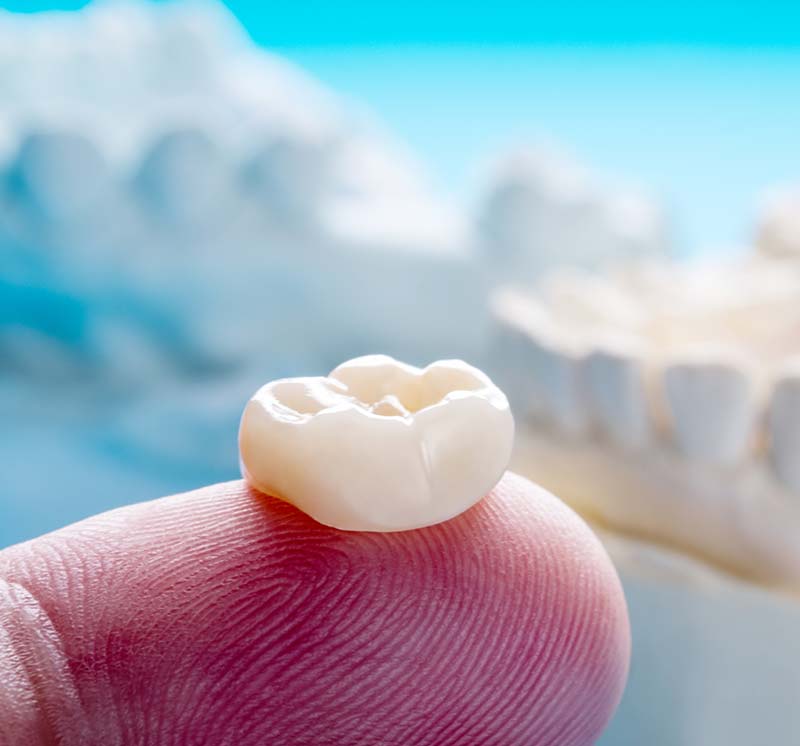

When a tooth becomes damaged by decay, fractures, or wear, many patients assume they need a dental crown. While crowns are an excellent solution in some situations, they are not always necessary. In cases where a tooth is too damaged for a filling but doesn’t require a full crown, dental inlays and onlays may provide the perfect solution.
Inlays and onlays are durable restorations that preserve more of your natural tooth structure while restoring strength, function, and appearance. They are often considered a middle ground between traditional fillings and full dental crowns.
What Are Dental Inlays and Onlays?
Dental inlays and onlays are custom-made restorations designed to repair damaged or decayed teeth.
They are typically fabricated from porcelain, ceramic, or composite materials and are bonded directly to the tooth.
While both restorations serve similar purposes, they differ slightly in how much of the tooth they cover.
What Is a Dental Inlay?
A dental inlay fits within the grooves of a tooth and does not extend over the tooth’s cusps (the raised points on the chewing surface).
An inlay is commonly used when:
- A cavity is too large for a traditional filling
- The tooth structure is still relatively intact
- The damage is limited to the center portion of the tooth
What Is a Dental Onlay?
A dental onlay covers a larger area of the tooth and extends over one or more cusps.
Because they provide additional protection and reinforcement, onlays are often recommended when:
- A tooth has moderate damage
- A large filling has failed
- A tooth is cracked or weakened
- More support is needed than a filling can provide
Onlays are sometimes referred to as “partial crowns” because they cover more of the tooth than an inlay but less than a full crown.
How Do Inlays and Onlays Work?
The process of placing dental inlays and onlays begins with a comprehensive dental examination.
Your dentist will:
- Evaluate the tooth
- Remove any decay or damaged structure
- Prepare the tooth for restoration
- Take impressions or digital scans
- Design a custom restoration
- Bond the inlay or onlay securely to the tooth
Once bonded, the restoration becomes an integral part of the tooth structure, restoring both strength and function.
The result is a restoration that fits precisely and feels natural when chewing, speaking, and smiling.
What Problems Do Inlays and Onlays Solve?
One of the biggest advantages of dental inlays and onlays is their versatility. They can address a variety of dental concerns while preserving healthy tooth structure.
Large Cavities
Traditional fillings work well for small cavities. However, when decay affects a larger portion of the tooth, a filling may not provide sufficient support.
Inlays and onlays help restore the tooth while preventing further weakening.
Cracked Teeth
Small cracks can worsen over time if left untreated. Onlays help stabilize weakened areas and reduce the risk of additional damage.
Failed Fillings
Older fillings can wear down, crack, leak, or fall out over time. Inlays and onlays often provide a stronger and longer-lasting alternative when replacement becomes necessary.
Worn Teeth
Years of grinding, clenching, or general wear can weaken teeth and alter their shape. Onlays can help restore proper chewing surfaces and improve overall function.
Cosmetic Imperfections
Because many inlays and onlays are made from tooth-colored porcelain, they can also improve the appearance of damaged teeth.
Patients often choose inlays and onlays because they blend naturally with surrounding teeth.
Inlays and Onlays vs. Fillings
Many patients wonder why a dentist would recommend an inlay or onlay instead of a filling.
Fillings are ideal for smaller areas of decay, but they may not be strong enough when larger portions of the tooth have been compromised.
Benefits of Inlays and Onlays Compared to Fillings
- Greater durability
- Stronger support for weakened teeth
- More precise fit
- Better resistance to wear
- Longer lifespan
- More natural appearance
Because they are custom-fabricated, inlays and onlays often provide a better long-term solution than large fillings.
Inlays and Onlays vs. Crowns
Patients are often surprised to learn that dental inlays and onlays can sometimes eliminate the need for a crown.
A crown covers the entire visible portion of a tooth, which requires more removal of healthy tooth structure.
An inlay or onlay preserves more natural tooth material while still restoring strength and function.
Benefits Compared to Crowns
- More conservative treatment
- Preservation of healthy enamel
- Less tooth reduction
- Strong and durable results
- Natural appearance
When enough healthy tooth structure remains, dentists often prefer a more conservative restoration whenever possible.
How Long Do Inlays and Onlays Last?
With proper care, porcelain inlays and onlays can often last 10 to 20 years or more.
Their lifespan depends on factors such as:
- Oral hygiene habits
- Diet
- Teeth grinding
- Routine dental care
- Overall oral health
Regular checkups allow your dentist to monitor restorations and address minor issues before they become major problems.
Are Inlays and Onlays Noticeable?
One of the reasons patients love modern dental inlays and onlays is that they are designed to blend seamlessly with natural teeth.
Porcelain restorations can be color-matched to surrounding enamel, making them difficult to distinguish from natural tooth structure.
Most people won’t notice you have dental work at all.
Are You a Good Candidate for Inlays or Onlays?
You may be a good candidate for dental inlays and onlays if you:
- Have a large cavity
- Have a cracked or fractured tooth
- Need replacement for a large filling
- Want a more conservative alternative to a crown
- Have sufficient healthy tooth structure remaining
A dental evaluation can determine whether an inlay, onlay, crown, or another restoration is the best option for your specific situation.
Restore Your Smile with Inlays and Onlays
When a tooth is damaged, you don’t always need a full crown to restore your smile. Dental inlays and onlays provide a durable, natural-looking, and conservative treatment option for many patients.
By preserving more of your natural tooth structure while strengthening damaged teeth, inlays and onlays offer an excellent balance between traditional fillings and crowns.
If you have a damaged tooth and want to explore your treatment options, Sleep Dentistry can help determine whether an inlay or onlay is the right solution for restoring your smile and protecting your long-term oral health.