
If you’re considering dental implants, it’s natural to wonder how long they’ll actually last. After all, getting an implant is an investment in your smile, and you want to know that investment will hold up over time.
The good news is that dental implants are designed to be a long-term solution for missing teeth and can last for decades with proper care. In many cases, the implant itself may last a lifetime. However, the crown, bridge, or denture attached to the implant may eventually need to be repaired or replaced.
Here’s what you should know about the lifespan of dental implants and what you can do to help yours last as long as possible.
What Is a Dental Implant?
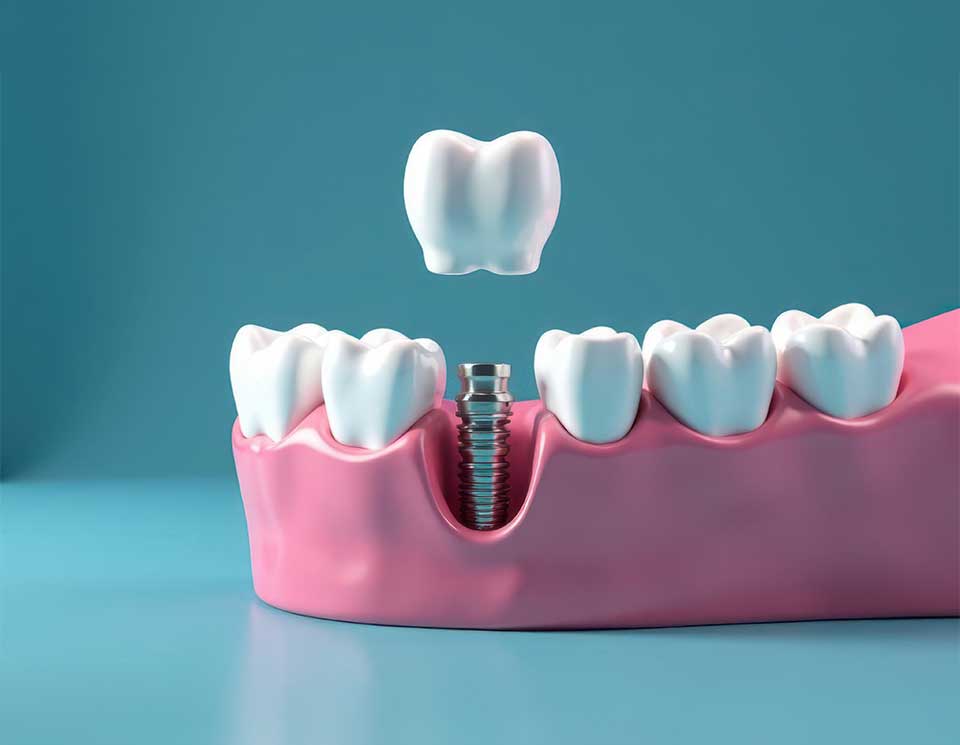
A dental implant is a small post, typically made of titanium, that’s surgically placed into the jawbone to replace the root of a missing tooth.
Over time, the surrounding bone grows around and bonds with the implant through a process called osseointegration. Once the implant is stable, it can support a replacement tooth or other dental restoration.
Depending on how many teeth you’re replacing, implants can support:
- A single dental crown
- An implant-supported bridge
- Multiple replacement teeth
- A full-arch restoration
For patients missing most or all of their teeth, full-arch dental implants can provide a more stable alternative to traditional removable dentures.
So, How Long Can a Dental Implant Last?
There’s no exact expiration date for a dental implant.
Research has consistently shown good long-term viability rates for dental implants, and with good oral health and regular dental care, the implant post itself can remain functional for decades.
It’s important, however, to separate the implant from the restoration attached to it.
A complete implant restoration typically has three components:
- Implant: The post placed into your jawbone.
- Abutment: The connector between the implant and restoration.
- Crown: The visible replacement tooth.
The implant is designed for long-term use, while the crown experiences everyday chewing forces and may wear down over time. Just like a crown placed on a natural tooth, an implant crown may eventually need replacement.
What Makes Some Dental Implants Last Longer Than Others?
Several factors can affect how long an implant remains healthy and functional.
Good Oral Hygiene
Dental implants can’t develop cavities, but that doesn’t mean you can stop brushing and flossing.
Plaque and bacteria can still collect around the gums surrounding an implant. Without proper oral hygiene, inflammation can develop and eventually affect the tissues and bone supporting the implant.
Brush at least twice a day, clean between your teeth and implants, and follow any additional hygiene recommendations from your dentist.
Regular Dental Visits
Even when your implant feels perfectly fine, routine dental exams and cleanings remain important.
Your dentist can monitor the gums, bone, bite, and restoration around the implant and identify potential problems before they become more serious.
Healthy Gums and Jawbone
Dental implants depend on healthy bone for support.
Before recommending an implant, your dentist will evaluate your jawbone and overall oral health. Some patients may require additional procedures before an implant can be placed successfully.
This is one reason a thorough consultation and treatment plan are so important before beginning implant treatment.
Smoking
Smoking is associated with a higher risk of dental implant complications and failure. It can interfere with healing and negatively affect the gum and bone tissues surrounding the implant.
If you smoke, talk with your dentist about how it may affect your treatment and what steps you can take before implant surgery.
Teeth Grinding and Clenching
If you grind or clench your teeth, the excessive pressure can place additional stress on both natural teeth and dental restorations.
Over time, that pressure may damage an implant crown or other components of the restoration.
If you grind your teeth at night, a custom nightguard may be recommended to help protect your dental work.
How Long Does the Crown on an Implant Last?
While the implant post can potentially last for decades, the crown above it usually experiences more wear.
Think about how much work your teeth do every day. They’re exposed to thousands of chewing movements, changes in temperature, hard and crunchy foods, and sometimes grinding or clenching.
Eventually, an implant crown may:
- Chip
- Crack
- Become worn
- Loosen
- Need replacement for cosmetic reasons
Needing a new crown doesn’t necessarily mean the implant has failed. If the implant and surrounding bone remain healthy, your dentist may simply replace the restoration attached to it.
What Is Peri-Implantitis?
One condition that can affect dental implants is peri-implantitis.
This is an inflammatory condition involving the tissues surrounding an implant. As it progresses, it can cause loss of the supporting bone around the implant.
That’s why keeping the area around your implants clean is so important. Regular professional dental care also gives your dentist an opportunity to monitor for early signs of inflammation.
How Can You Make Your Dental Implants Last Longer?
Taking care of an implant isn’t dramatically different from taking care of your natural teeth.
For the best chance of long-term success:
- Brush twice daily.
- Floss or clean between implants every day.
- Attend regular dental exams and professional cleanings.
- Avoid smoking.
- Wear a nightguard if recommended.
- Don’t use your teeth to open packages or bite extremely hard objects.
- Contact your dentist if an implant suddenly feels loose, painful, or different.
The goal isn’t just to protect the implant itself. Healthy gums, healthy bone, and a balanced bite all contribute to long-term implant success.
What If I’m Nervous About Getting Dental Implants?
The idea of implant surgery can make some patients nervous, particularly if they already experience dental anxiety.
That’s where sedation dentistry can make a significant difference.
Depending on your procedure and individual needs, sedation can help you feel calm and comfortable while your dental implant treatment is performed. Your dentist can discuss the available sedation options during your consultation and help determine which approach is appropriate for you.
Find Out If Dental Implants Are Right for You
Dental implants aren’t something you should have to replace every few years. With proper planning, good oral hygiene, and regular professional care, they’re designed to provide a durable, long-term solution for missing teeth.
At Sleep Dentistry, we’ll evaluate your teeth, gums, jawbone, medical history, and overall treatment goals before recommending an implant treatment plan.
If you’re considering replacing one tooth, several teeth, or an entire arch, learn more about our dental implant options and schedule a consultation to find out which solution may be right for your smile.