
Have you ever bitten down on something and suddenly felt a sharp pain in one tooth? Or maybe you’ve noticed that a tooth only hurts when you chew, drink something cold, or release your bite. These can all be signs of a cracked tooth.
Cracks aren’t always easy to see, and the pain may come and go. That can make it tempting to wait and see if the problem gets better on its own. Unfortunately, a cracked tooth can’t heal itself, and some cracks can become larger or allow bacteria to reach the inside of the tooth.
Getting it checked early can give your dentist more options for saving and restoring the tooth.
What Does a Cracked Tooth Feel Like?
Not every cracked tooth causes constant pain. In fact, intermittent symptoms are one reason cracks can sometimes be difficult to diagnose.
You may notice:
- Sharp pain when biting or chewing
- Pain when you release your bite
- Sensitivity to hot or cold foods
- Sensitivity to sweets
- Pain that comes and goes
- Tenderness around one particular tooth
- Swelling around the gums
- A tooth that suddenly feels different when you bite
Sometimes you may have trouble identifying exactly which tooth hurts.
A comprehensive dental exam can help determine whether a crack—or another dental problem—is responsible for your symptoms.
Why Do Teeth Crack?
Teeth are incredibly strong, but they’re exposed to considerable pressure every day.
A tooth may crack because of:
- Biting ice, hard candy, popcorn kernels, or other hard foods
- Teeth grinding or clenching
- Large existing fillings that have weakened the tooth
- Trauma to the mouth
- Normal wear over time
- Sudden temperature changes
- Extensive tooth decay
Teeth that have already undergone significant restorative dental treatment may also require additional protection depending on how much natural tooth structure remains.
When Should You Get a Cracked Tooth Checked?
It’s a good idea to have any suspected cracked tooth evaluated promptly, especially if you’re experiencing pain.
Don’t wait until your next routine cleaning if you have:
- Persistent or worsening pain
- Pain every time you chew
- Significant hot or cold sensitivity
- Swelling around the tooth
- A visible crack or broken portion of the tooth
- A tooth that feels loose
- Facial swelling or signs of infection
Even if the discomfort disappears, you should still have the tooth evaluated. Pain improving doesn’t necessarily mean the underlying problem has resolved.
Can a Cracked Tooth Get Infected?
Yes.
A crack can potentially extend through the protective enamel and dentin and eventually reach the pulp—the inner portion of your tooth containing nerves and blood vessels.
Bacteria can then enter the tooth and cause inflammation or infection.
Signs that this may be happening include increasing pain, lingering temperature sensitivity, swelling, gum tenderness, or a pimple-like bump on the gums.
If infection reaches the pulp, additional treatment may be necessary to save the tooth.
How Does a Dentist Diagnose a Cracked Tooth?
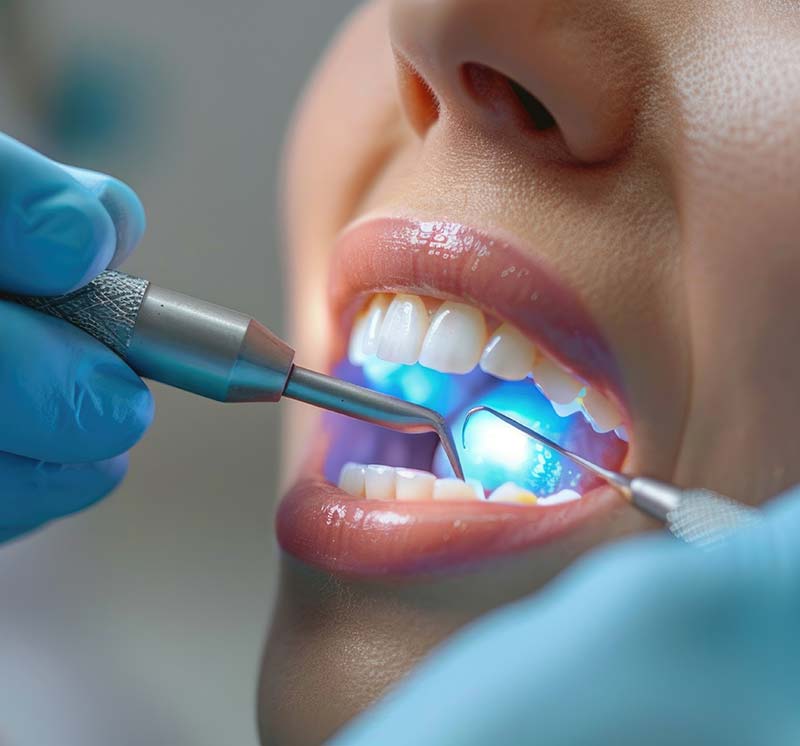
Your dentist will start by asking about your symptoms and examining the tooth.
Diagnosis may involve:
- Checking your bite
- Examining the tooth under magnification or specialized lighting
- Testing sensitivity to eccentric forces on the individual tooth cusps
- Checking the gums surrounding the tooth
- Dental X-rays or other imaging
Because some cracks are extremely small, they may not always appear clearly on a standard X-ray. Your symptoms and clinical examination are therefore important parts of the diagnosis.
How Do You Fix a Cracked Tooth?
Treatment depends on where the crack is located, how deep it extends, and whether the nerve inside the tooth has been affected.
Dental Bonding or Filling
Very small cracks or damaged areas may sometimes be repaired using tooth-colored filling material.
This restores the damaged portion of the tooth and can help protect it from additional wear.
Dental Crown
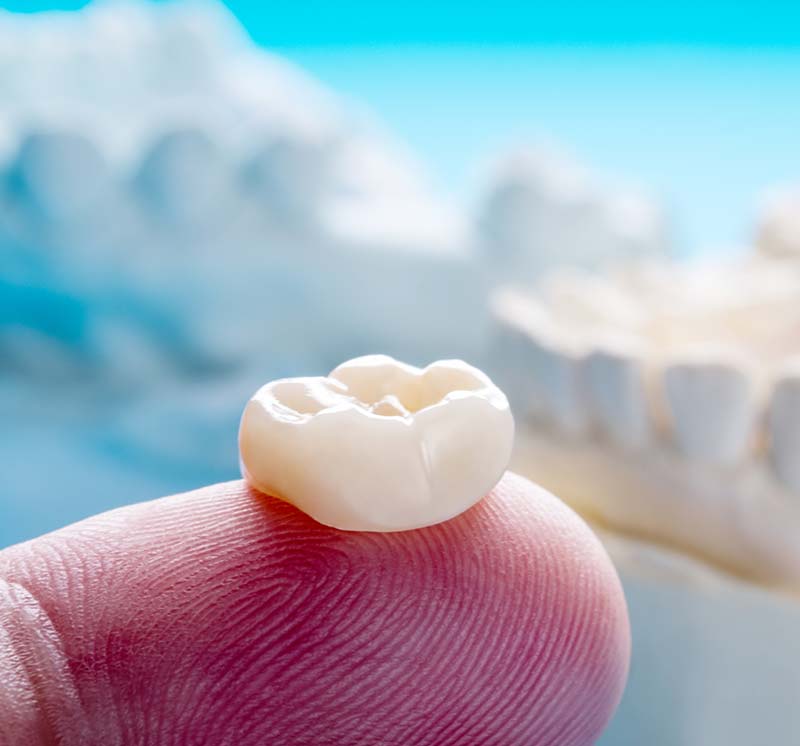
A more significant crack may require a same-day dental crown to protect the tooth.
A crown covers the damaged tooth and helps distribute chewing forces more evenly, reducing stress on the weakened structure.
Crowns are commonly recommended when a tooth has a large filling or has lost a significant amount of its natural structure.
Root Canal Treatment
If a crack reaches the pulp and causes inflammation or infection, root canal treatment may be necessary.
During a root canal, the damaged or infected tissue inside the tooth is removed. The tooth is then cleaned and sealed, and a crown is commonly placed afterward to protect it.
Tooth Extraction
Unfortunately, not every cracked tooth can be saved.
If a crack extends deeply below the gumline or splits the tooth into separate sections, extraction may be necessary.
If a tooth does need to be removed, dental implants may provide a long-term option for replacing the missing tooth.
What Should You Do Until Your Appointment?
Until your dentist can examine the tooth, try to avoid putting additional pressure on it.
Chew on the opposite side of your mouth and avoid ice, hard candy, nuts, and other foods that require significant biting force.
If the area is uncomfortable, over-the-counter pain medication may help when taken according to the label and appropriate for you. However, pain medication only manages the symptom—it doesn’t repair the crack.
What If You’re Nervous About Treatment?
Fear of needing a crown, root canal, or extraction sometimes causes people to put off having a painful tooth examined.
Waiting can actually limit your treatment options.
Sleep Dentistry offers sedation dentistry for patients who feel anxious about dental procedures. Depending on your needs and medical history, sedation can help make restorative treatment much more comfortable.
Don’t Wait for a Cracked Tooth to Get Worse
A small crack may be relatively straightforward to restore. But if that crack continues to spread, treatment can become more complicated.
If you’ve noticed pain when chewing, temperature sensitivity, or discomfort that keeps returning in the same tooth, schedule an examination.
At Sleep Dentistry, we’ll determine what’s causing your symptoms and discuss the appropriate treatment options—from a simple restoration or same-day crown to root canal treatment when necessary.
The sooner a cracked tooth is diagnosed, the better the opportunity may be to protect and preserve your natural tooth. Early detection also often helps keep the cost of treatment down.